Enter a keyword below to search for articles and products.
Chicken is a key ingredient in IAMS™ cat food. Its protein can help maintain healthy muscle structure, and it naturally provides each of the amino acids essential to carnivorous animals. And chicken adds great taste.
Another common chicken-based ingredient is natural chicken flavor, also called chicken digest. Natural chicken flavor adds palatability and nutrients. It is high-quality protein and fat material that has been reduced to amino and fatty acids to improve taste through an enzymatic process.
Internal organs are a rich source of protein, fats, and minerals, such as iron, that are essential to cat health and they add a taste that cats enjoy. Including some ground bone provides a good source of minerals, such as calcium. Some pet food manufacturers formulate their products without such ingredients to appeal to cat owners, rather than for the health of the cats themselves. However, the nutritional needs of cats are not the same as those of humans.
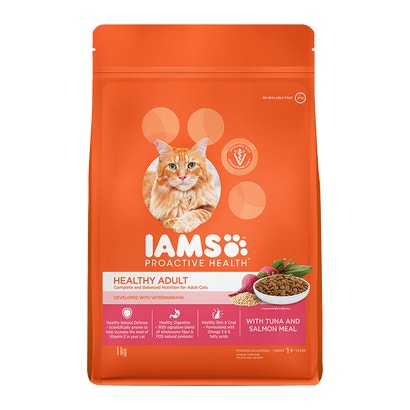
Dried (meal) chicken protein sources contained in our chicken-based cat foods, such as IAMS ProActive Health™ Healthy Adult - Chicken, undergo an extra refining process and contain each of the amino acids that are essential to cats.
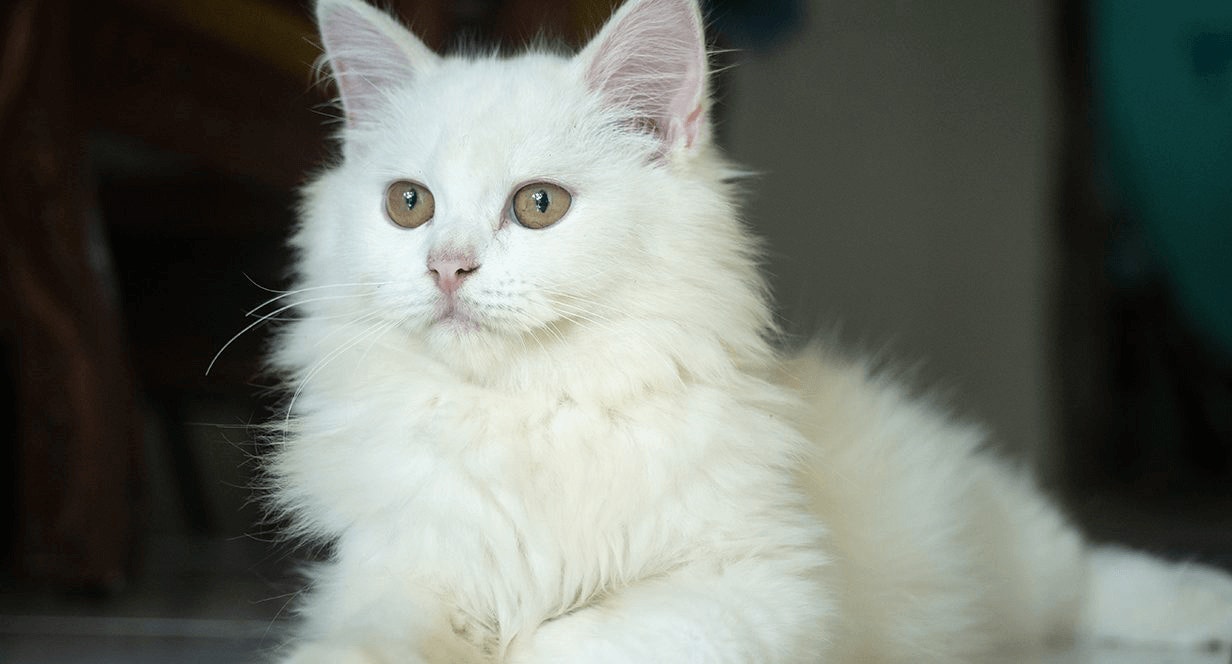
You remember the first time you met like it was yesterday, but lately you find yourself wondering if your cat has entered the golden years.
Here are some things to know about senior cats, including signs they’re ageing and ways to alter their diets to keep them going strong.
Gasp!
Is my baby ... old?
A 12-year-old cat is equivalent to a 64-year-old human.
This 64-year-old
ran a marathon,
so you never
know.
Just like people, cats often show signs that they're getting older:
• Decreased activity
• Joint weakness
• A picky palate
• Confused by the internet
A complete and balanced diet is important, whether or not your cat has underlying health issues.
We get it. Indoor cats have less opportunity to exercise than outdoor cats. Just don’t let those calories add up to unwanted pounds.
10 extra calories a day = up to 1 pound a year.
Picky eating in older age often comes from a reduced ability to taste and smell. Cats 14 years and older are 15 times more likely to be too skinny.
So make sure you’re feeding your cat a food that’s high in calorie density and as tasty as possible.
Senior cats with heart disease may need a special veterinarian-prescribed food.
Senior cats with kidney issues may need veterinarian-prescribed food that's lower in potassium and protein.
Cats with diabetes may need to eat a special veterinarian-prescribed diet.
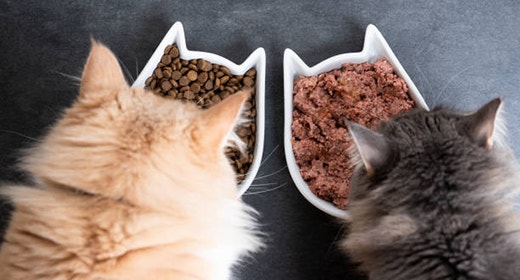
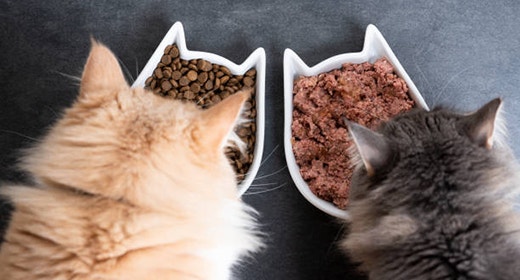
Consider adding dry food to your cat’s diet which can help remove plaque buildup.
All adults cats, regardless of age, should be fed a carnivorous diet.
An animal-based protein should be the first ingredient on any cat food label.
Good news: You don’t have to worry about providing additional supplements when you choose IAMS™. All foods are nutritionally complete and balanced.