Enter a keyword below to search for articles and products.
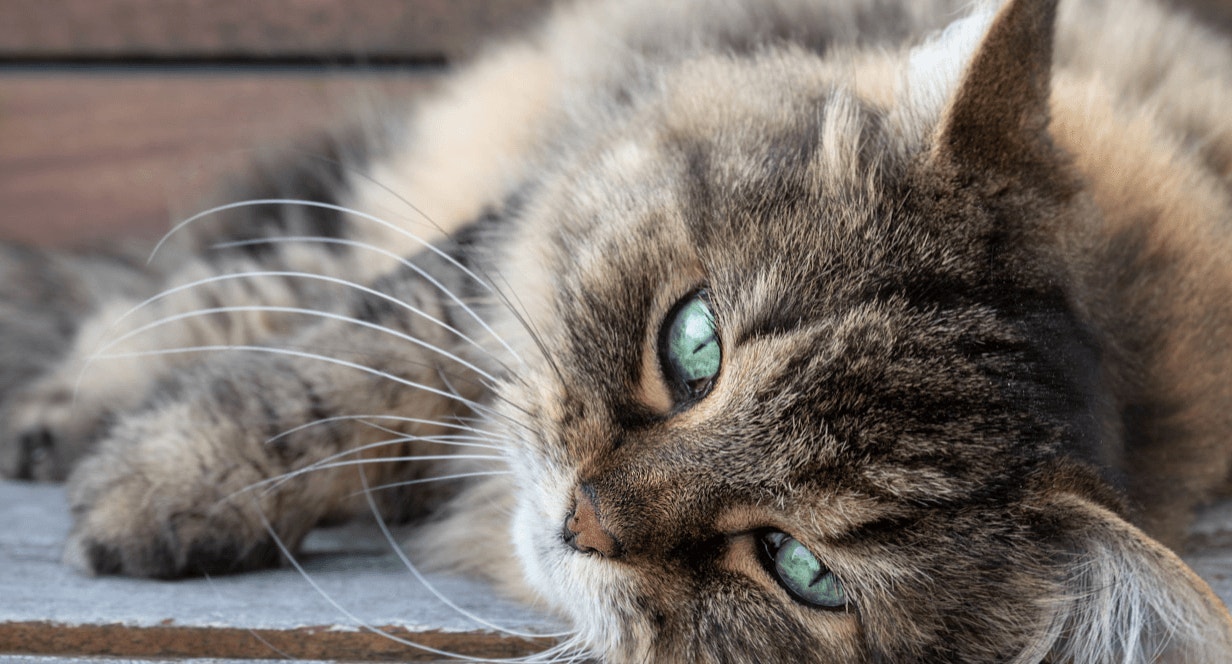
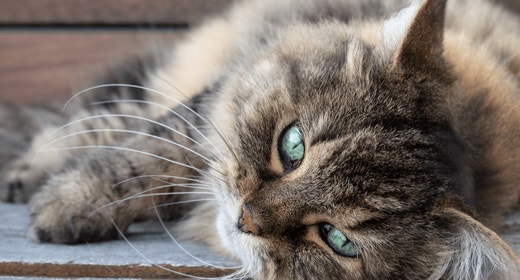
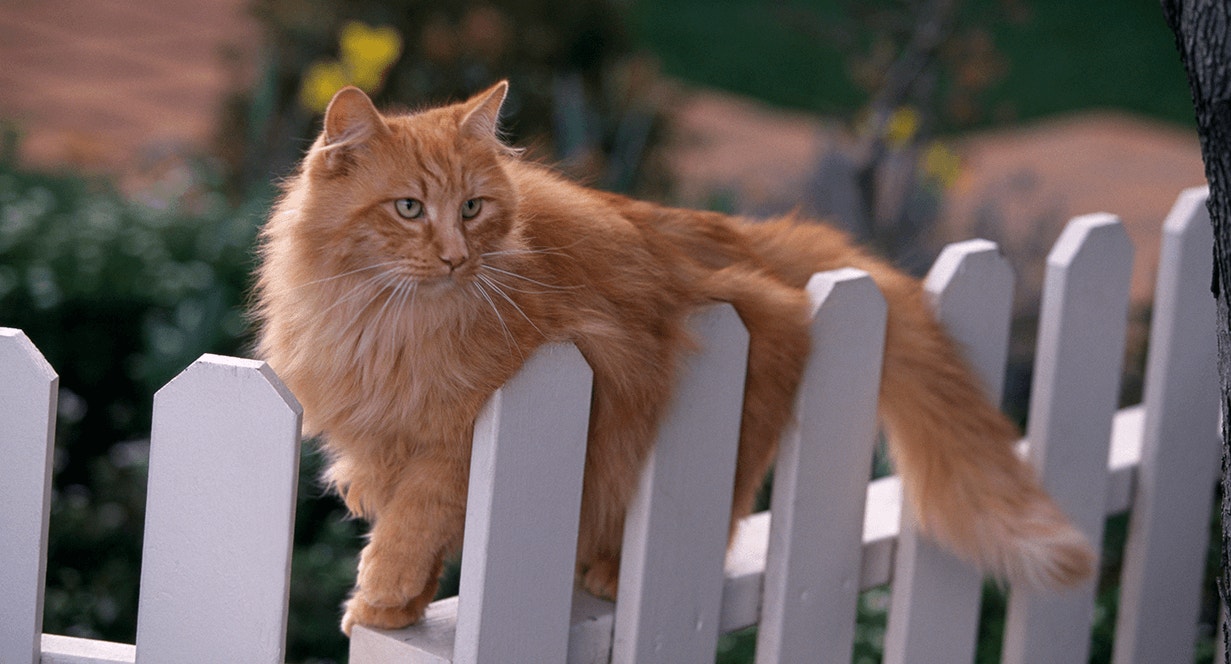
No matter how much you want them to stay adorable kittens, every cat eventually grows up to become an adorable senior. In fact, thanks to improvements in medical care and nutrition, cats are now living longer and healthier lives than ever before.
But as they age, your cat’s needs can change. By staying aware of the common signs of aging in cats and making a few adjustments to help them stay comfortable, you can turn your cat’s older years into their golden years.
Every feline is unique, but cats are usually considered senior once they reach 7 years old. Your older cat isn’t going to start leaving the blinker on or hiking their pants up to their armpits, but there are signs that may indicate your cat is getting on in years.
Older cats often eat less as their senses of smell and taste diminish. Sudden weight loss or gain could be a sign that something is off.
We all know cats love to sleep, but if yours is sleeping more than usual and doesn’t show the same interest in playing or other activities, it could indicate lower energy levels. Not being able to jump or climb to their favorite spots could be a sign of arthritis as well.
It’s a good idea to check your older cat’s teeth more often, looking for any changes in appearance. If they’re pawing at their mouth or aren’t eating as much, it could mean something is amiss. If you suspect there’s an issue, consult your vet.
With a few simple changes, you can keep your older cat happy and comfortable for many years to come — here’s how.
It can be harder for older cats to groom themselves as thoroughly as before. You can lend a helping hand by giving them regular brushings. Make sure to keep their nails trimmed, too. It’s a great way to spend some extra quality time together.
After years of leaping onto the kitchen counter when you weren’t looking, your senior kitty might have trouble getting to their favorite spots. You may want to place a ramp or folding steps near their favorite couch or bed so they don’t have to jump as much. Make sure they have easy access to their food and litter box, too. Adding a litter box on each floor of your house can help prevent accidents.
Older cats love their routines. The more you’re able to keep things consistent and predictable, the calmer and less frightened they’ll be.
One cat year is like four human years, so a lot can happen in that span, especially in older cats. More frequent vet exams can detect health issues before they become serious.
Cats crave warmth. Make sure your grandcat has access to a number of sunny spots or heating vents to keep them toasty. Leave comfortable, warm blankets around your home for lounging, and consider bumping up the thermostat a degree or two for them — even though their favorite furnace will always be your lap.
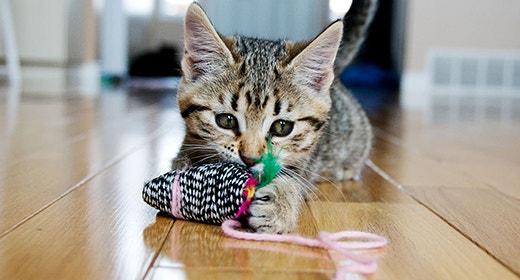
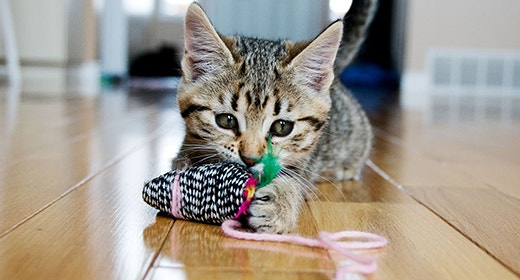
Providing your kitten with the proper nutrition goes way beyond just putting fresh food in a clean bowl. Your kitten’s nutritional needs will change as her body develops through adolescence. Proper nutrition during these critical growth periods will help your kitten mature into a strong, healthy adult cat. Discover four essential kitten-feeding tips you need to know in your kitten’s first year.
Learning what development milestones your kitten will experience in her first year will help you decide what and when to feed her.
After kittens are weaned, they enter a stage of rapid growth, which lasts through the sixth month of life. They need a balanced diet to deliver the nutrients and energy to sustain such rapid development.
Kittens have twice the energy needs of adult cats on a pound-per-pound basis. But their smaller mouths, teeth and stomachs limit the amount of food they can digest during a single meal. Therefore, it may be best to divide their total daily food amount into three or four smaller meals.
Because every bite must be packed with nutrition, kittens require a diet specifically formulated for growth. The best choice is a food with animal-based proteins that is highly digestible, nutrient dense and designed to meet kittens’ unique nutritional needs.
As kittens approach adult size, their nutritional requirements begin to change again. Their rate of growth begins to slow, activity levels may decline and they can start eating fewer, larger meals each day. During this stage, kittens begin to look like adults, but they are still growing and need the special nutrition found in kitten food.
The adolescent growth stage is a time when many cat owners are tempted to change a kitten’s food for variety. But cats do not get bored with a consistent diet of high-quality dry food. You can supplement your kitten’s dry food with a nutrient-dense canned food for a nutritious change of pace.
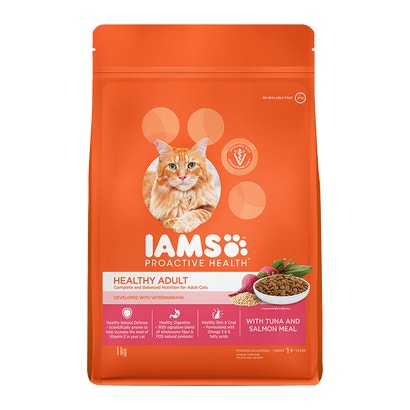
When your cat is about 12 months old, it’s time to switch to a maintenance formula adult cat food, such as IAMS™ Proactive Health™ Healthy Adult with Chicken. At this age, cats no longer need the extra calories and nutrients for growth supplied by kitten food. As with any change in a cat’s diet, remember to gradually transition from kitten food to adult food over a period of several days.
Monitor your cat’s weight and body condition during the transition, and adjust feeding portions if necessary. Because cats generally eat only what they need, free-choice feeding is fine for most cats. However, some indoor cats that don’t exercise much may overeat if fed free choice. In this situation, portion-controlled feeding twice a day is a good alternative.
Giving a kitten “human food” and table scraps can lead to undesirable behaviors, such as begging or stealing food. Feeding homemade diets or food formulated for adult cats (especially those designed for weight loss), or supplementing a complete and balanced diet with vitamins could cause nutritional disorders.
Kittens and cats are strict carnivores and need the nutrients found in meat. For example, sufficient amounts of taurine, an essential amino acid provided naturally through meat, help cats maintain healthy eyes, heart and reproduction. All IAMS kitten and cat food formulas have optimal levels of taurine for every life stage.