Enter a keyword below to search for articles and products.
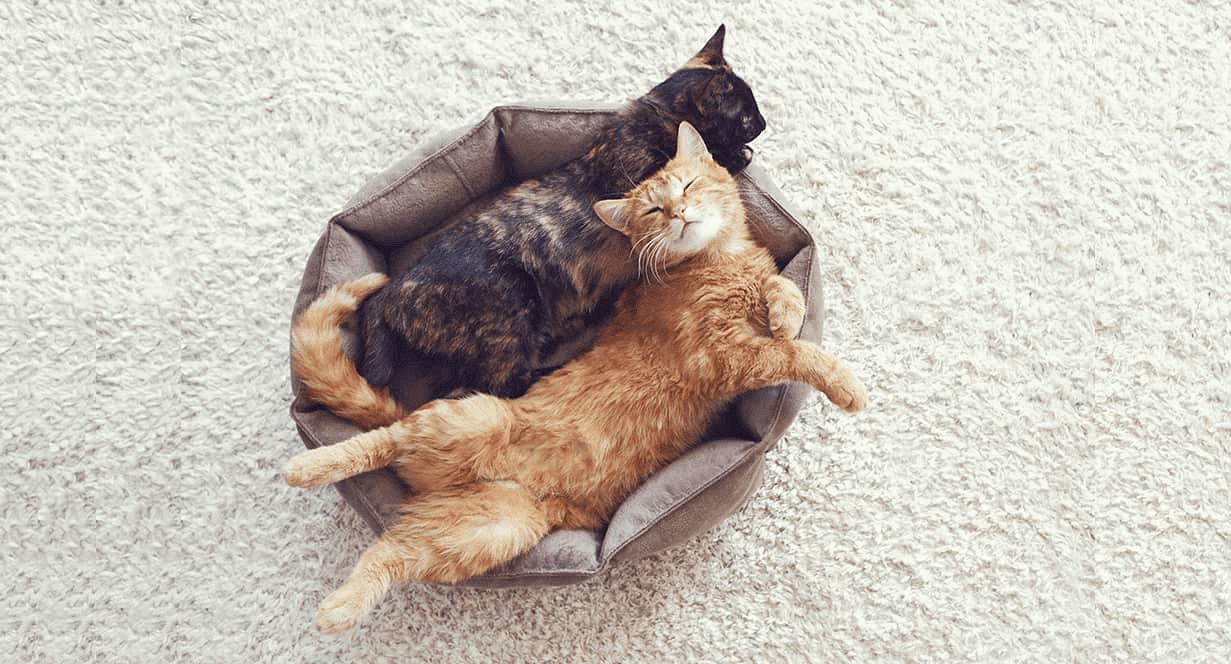
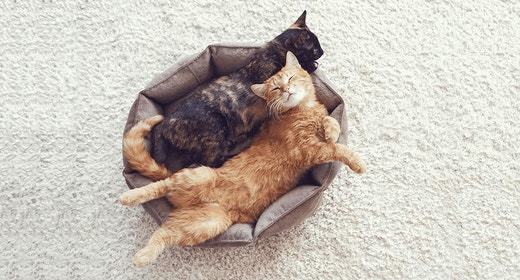
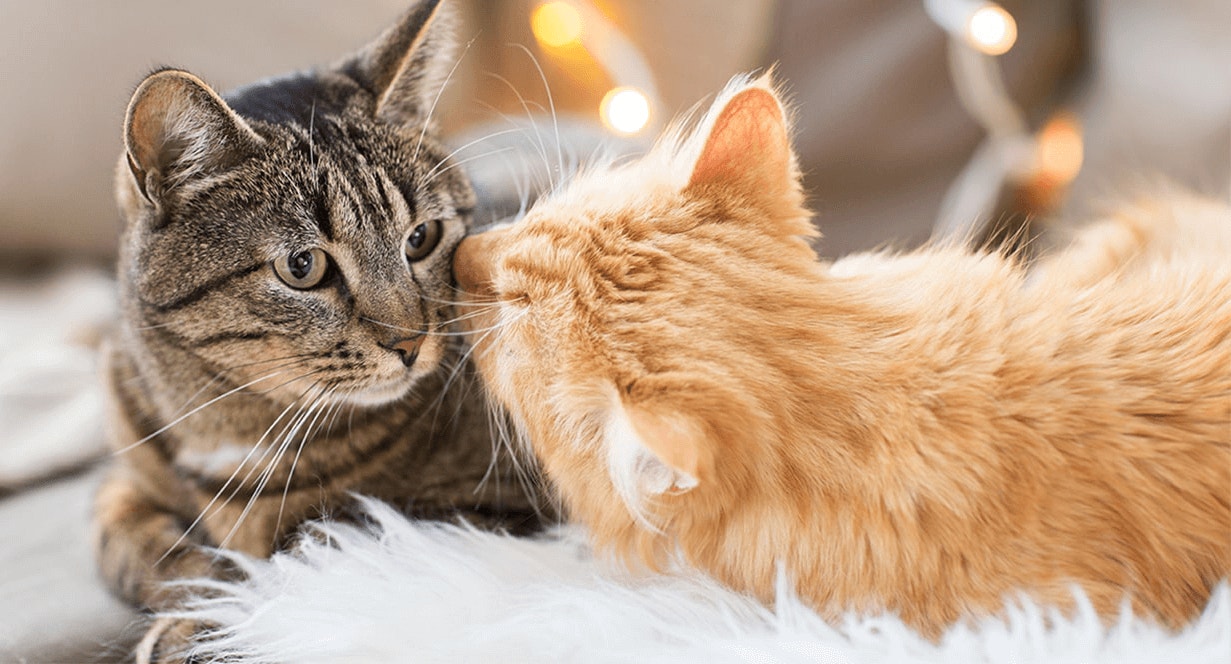
Thinking about getting another cat? Of course you are — they’re the best. Adding a second cat (or third … or fourth …) to your home can be exciting, but there’s a lot to consider before introducing another cat into the mix.
When it comes to cats, the more, the merrier, right? Well, sometimes. Some cats thrive with a playmate or two, while others are more content solo. Personality and age are two factors to consider before bringing home another cat.
It’s important to understand your cat’s temperament when thinking about adding another cat to the mix. It’s just like dating: Compatibility is crucial. Is your pet energetic and playful? Shy and gentle? A couch potato probably isn’t the best match for a marathon runner. Your best bet is to look for a cat with a similar energy level and personality. Not sure about your cat’s vibe? Read more about cat temperament here.
Similar to temperament compatibility, age is also an important factor. Your greatest chance for success is to introduce a new cat into your household when your current cat is still a youngster. If you have an older cat who’s been master of their domain for a long time (read as: cranky), they’re more likely to become territorial and hostile toward the new addition. That’s not to say it can’t be done; the introduction will just need to be handled more delicately than when introducing two younger cats or kittens.
So you’ve found a new cat you can’t wait to bring home to your growing fur family. While it may be tempting to simply put all cats in a room and let them work out the introductions, this can cause a lot of stress for new and resident cats alike. Here are a few ways to help the introduction go smoothly.
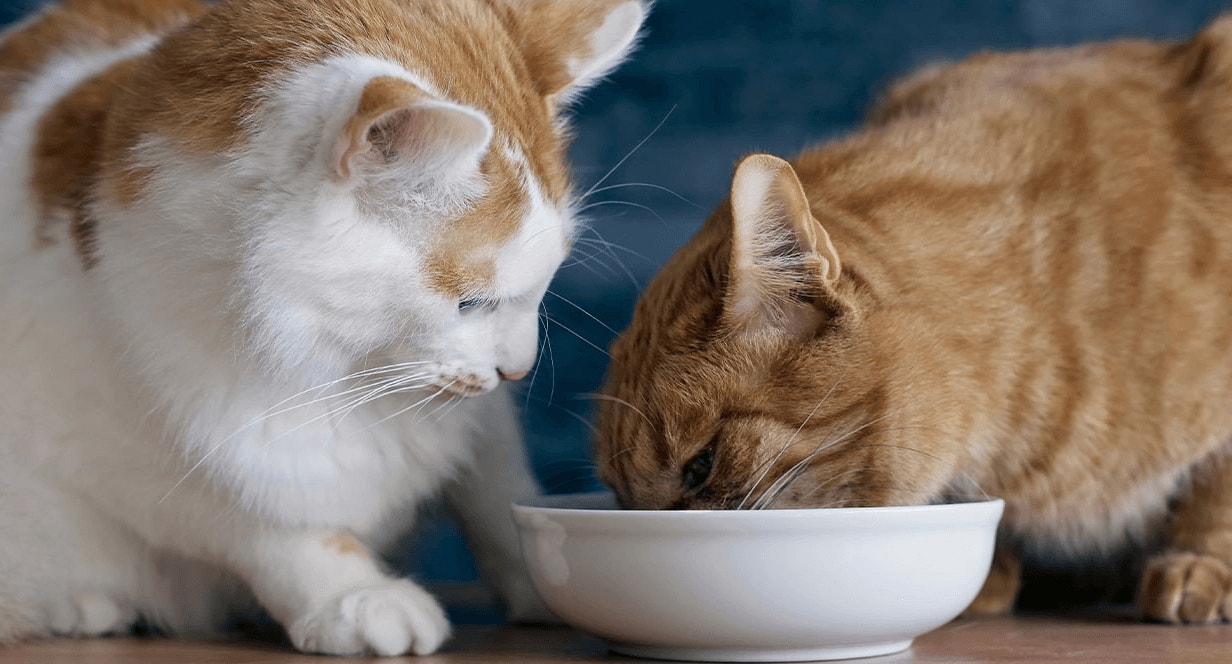
Double the cats means double the supplies needed. Before you bring your new addition home, make sure you have plenty of toys, scratching posts and lounging spots so territorial standoffs are less likely. The rule of thumb is to have one more litter box than you do cats, so if you’re becoming a two-cat household, you’ll want to have three litter boxes. You’ll also need double the food, so consider buying in bulk so you can spend less time making trips to the store and more time snapping pics of your adorable new addition.
Give your new kitty a space of their own with a door that can be shut before doing a formal introduction with the existing cat. This will give both cats a chance to adjust to the other’s smell. Once you’re ready to have their official meeting, keep the initial interactions short and well supervised. If things start to feel tense, separate the cats and give them a chance to settle down before trying again. Don’t be discouraged; they’ll come around.
Adding another cat to your household is not without challenges, but it will ultimately bring immense joy to you and your family — and hopefully to your current cat. Or maybe we just shoot for indifference. Now what are you waiting for? Head to your local shelter today!
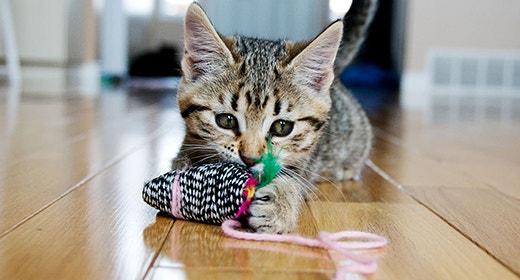
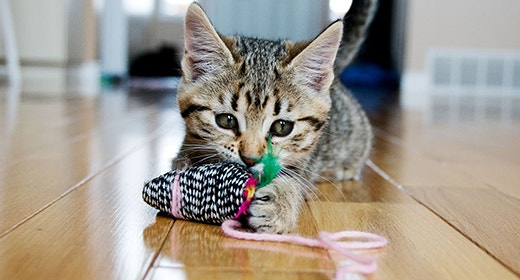
Providing your kitten with the proper nutrition goes way beyond just putting fresh food in a clean bowl. Your kitten’s nutritional needs will change as her body develops through adolescence. Proper nutrition during these critical growth periods will help your kitten mature into a strong, healthy adult cat. Discover four essential kitten-feeding tips you need to know in your kitten’s first year.
Learning what development milestones your kitten will experience in her first year will help you decide what and when to feed her.
After kittens are weaned, they enter a stage of rapid growth, which lasts through the sixth month of life. They need a balanced diet to deliver the nutrients and energy to sustain such rapid development.
Kittens have twice the energy needs of adult cats on a pound-per-pound basis. But their smaller mouths, teeth and stomachs limit the amount of food they can digest during a single meal. Therefore, it may be best to divide their total daily food amount into three or four smaller meals.
Because every bite must be packed with nutrition, kittens require a diet specifically formulated for growth. The best choice is a food with animal-based proteins that is highly digestible, nutrient dense and designed to meet kittens’ unique nutritional needs.
As kittens approach adult size, their nutritional requirements begin to change again. Their rate of growth begins to slow, activity levels may decline and they can start eating fewer, larger meals each day. During this stage, kittens begin to look like adults, but they are still growing and need the special nutrition found in kitten food.
The adolescent growth stage is a time when many cat owners are tempted to change a kitten’s food for variety. But cats do not get bored with a consistent diet of high-quality dry food. You can supplement your kitten’s dry food with a nutrient-dense canned food for a nutritious change of pace.
When your cat is about 12 months old, it’s time to switch to a maintenance formula adult cat food, such as IAMS™ Proactive Health™ Healthy Adult with Chicken. At this age, cats no longer need the extra calories and nutrients for growth supplied by kitten food. As with any change in a cat’s diet, remember to gradually transition from kitten food to adult food over a period of several days.
Monitor your cat’s weight and body condition during the transition, and adjust feeding portions if necessary. Because cats generally eat only what they need, free-choice feeding is fine for most cats. However, some indoor cats that don’t exercise much may overeat if fed free choice. In this situation, portion-controlled feeding twice a day is a good alternative.
Giving a kitten “human food” and table scraps can lead to undesirable behaviors, such as begging or stealing food. Feeding homemade diets or food formulated for adult cats (especially those designed for weight loss), or supplementing a complete and balanced diet with vitamins could cause nutritional disorders.
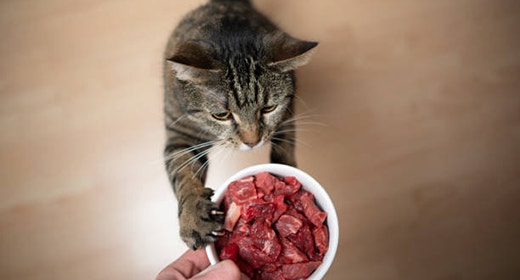
Kittens and cats are strict carnivores and need the nutrients found in meat. For example, sufficient amounts of taurine, an essential amino acid provided naturally through meat, help cats maintain healthy eyes, heart and reproduction. All IAMS kitten and cat food formulas have optimal levels of taurine for every life stage.