Enter a keyword below to search for articles and products.
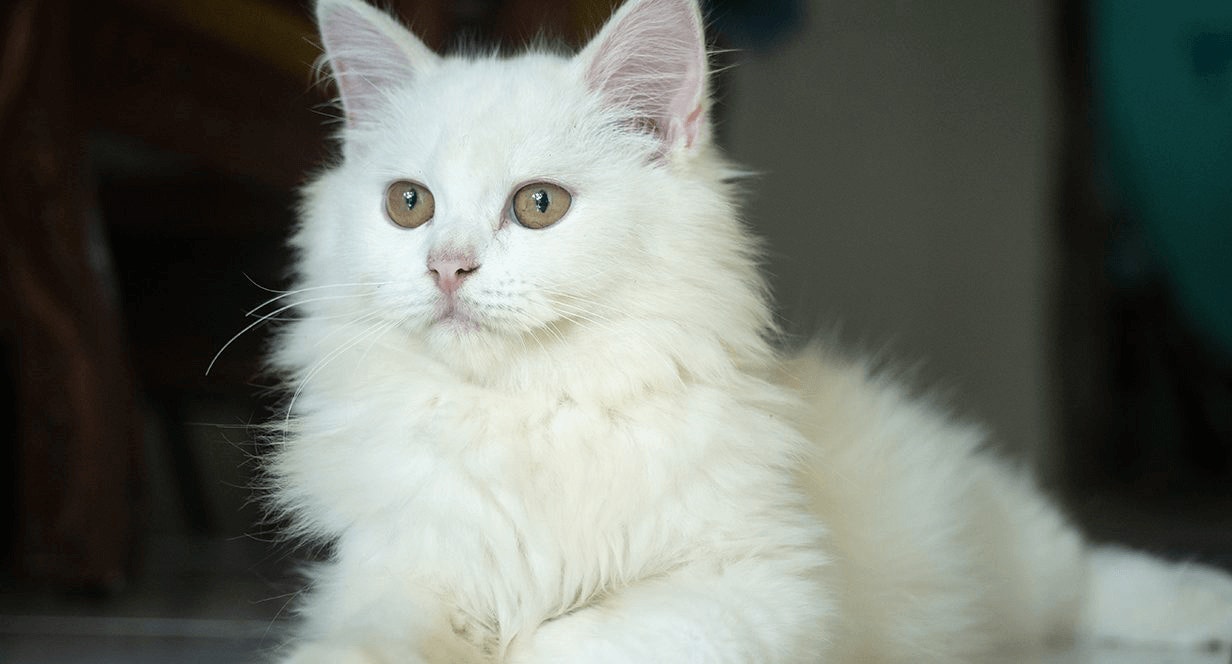
You remember the first time you met like it was yesterday, but lately you find yourself wondering if your cat has entered the golden years.
Here are some things to know about senior cats, including signs they’re ageing and ways to alter their diets to keep them going strong.
Gasp!
Is my baby ... old?
A 12-year-old cat is equivalent to a 64-year-old human.
This 64-year-old
ran a marathon,
so you never
know.
Just like people, cats often show signs that they're getting older:
• Decreased activity
• Joint weakness
• A picky palate
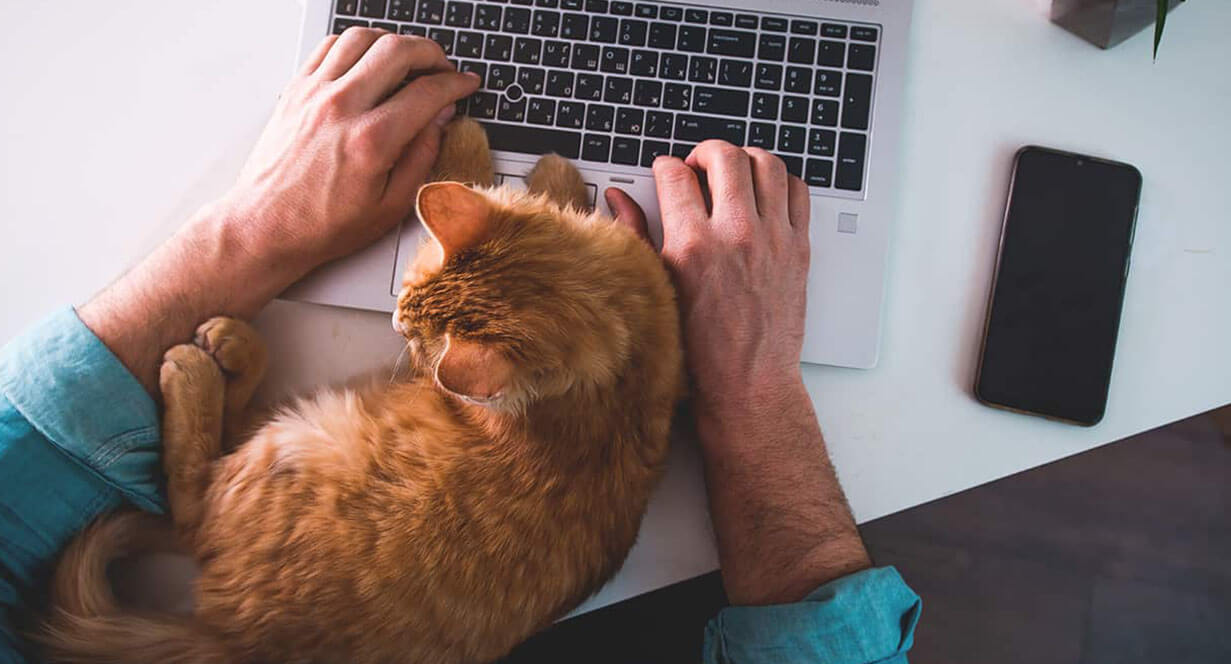
• Confused by the internet
A complete and balanced diet is important, whether or not your cat has underlying health issues.
We get it. Indoor cats have less opportunity to exercise than outdoor cats. Just don’t let those calories add up to unwanted pounds.
10 extra calories a day = up to 1 pound a year.
Picky eating in older age often comes from a reduced ability to taste and smell. Cats 14 years and older are 15 times more likely to be too skinny.
So make sure you’re feeding your cat a food that’s high in calorie density and as tasty as possible.
Senior cats with heart disease may need a special veterinarian-prescribed food.
Senior cats with kidney issues may need veterinarian-prescribed food that's lower in potassium and protein.
Cats with diabetes may need to eat a special veterinarian-prescribed diet.
Consider adding dry food to your cat’s diet which can help remove plaque buildup.
All adults cats, regardless of age, should be fed a carnivorous diet.
An animal-based protein should be the first ingredient on any cat food label.
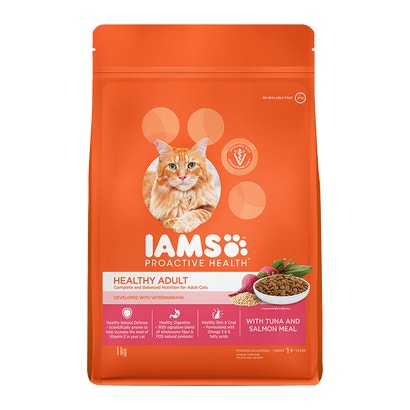
Good news: You don’t have to worry about providing additional supplements when you choose IAMS™. All foods are nutritionally complete and balanced.
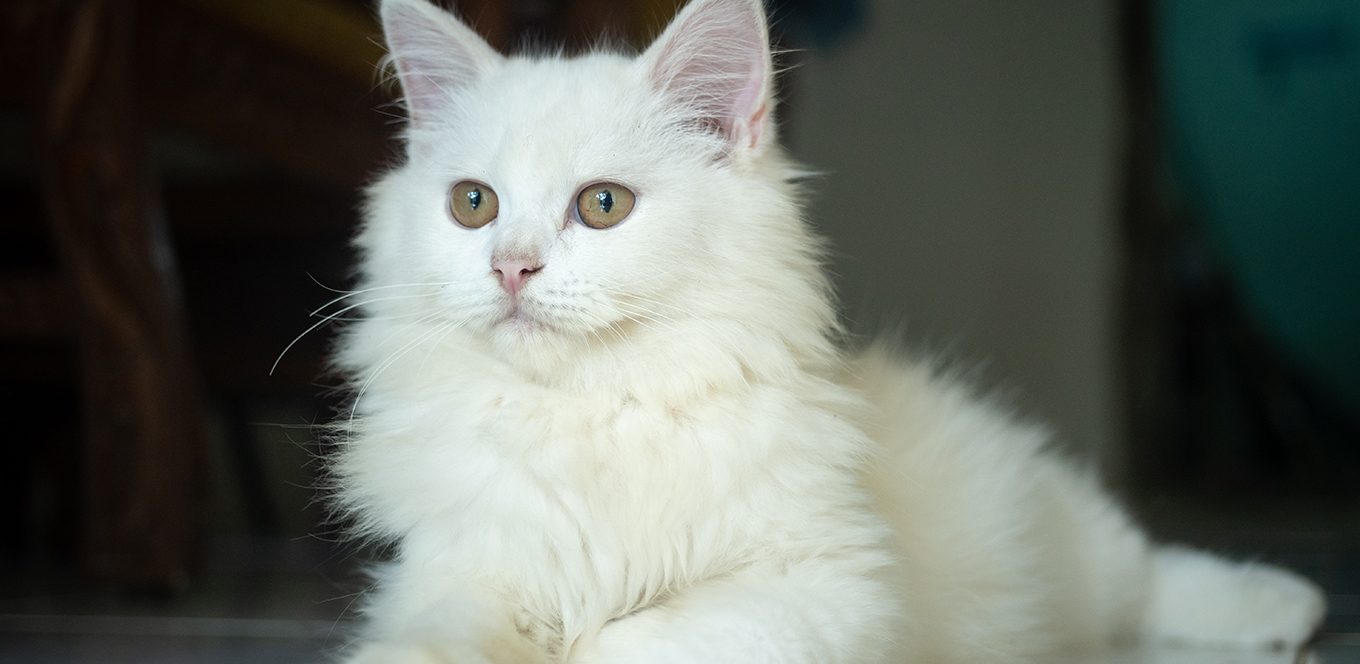
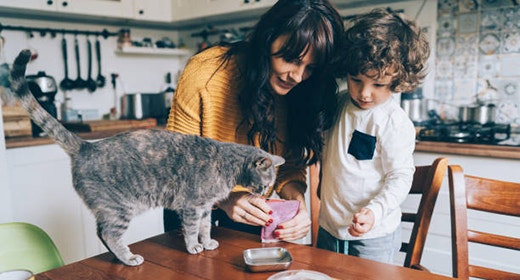
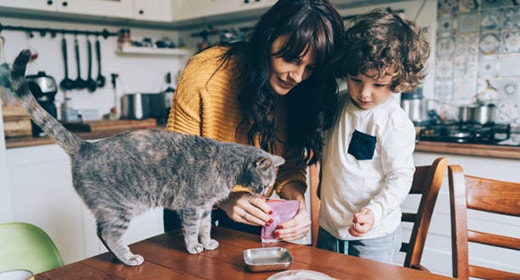
Cats are creatures of habit and can resist diet change. It's important to completely stop feeding your cat from the table. This is best accomplished by removing the cat from the kitchen during mealtimes. Be persistent when offering dry food. Your cat may refuse to eat for several meals before deciding to give the food a try. Heating food in the microwave increases the aroma of the food and will often entice a cat to eat. Another alternative is to try mixing some wet food with the dry food, or topping it with a sauce or gravy specifically formulated for pets. Be assured that your cat eats to meet an energy need and will eventually begin to eat unless there is an underlying medical issue.
Keep in mind that your cat's stool should be small and firm. Most cases of constipation are temporary and due to dietary interruptions. Loose stools also are often temporary and can be due to dietary interruptions, as well as many other things, including an abrupt change in diet, overeating, parasites, medication, eating table scraps, viral or bacterial infections, and stress. If constipation or diarrhea persists, however, it is important to consult a veterinarian.