Enter a keyword below to search for articles and products.
Confused by the ingredient list on your kitten’s food? You’re not alone. Marketing pet foods that have “human-grade ingredients” is becoming commonplace. While appealing to many pet owners, it is important to be aware that the term “human grade” has no legal definition and is used primarily for marketing purposes.
Foods, typically meats, are labeled either as “edible” or “inedible, not for human consumption.” Once a food leaves the human food chain, even if it is of outstanding quality, it has to be labeled “inedible, not for human consumption.” Therefore, meats used in pet food must be labeled as “inedible,” regardless of the source or quality of the meat. The only way to make a pet food with ingredients deemed “edible” is to never let the meat leave the human food chain and actually manufacture the pet food in a human food facility and transport it using human food trucks. Therefore, advertising a product as containing “human-grade ingredients” is untrue if it is not manufactured in a human food facility. However, just because a pet food isn’t marketed as being “human grade” does not mean that the ingredients are poor quality.
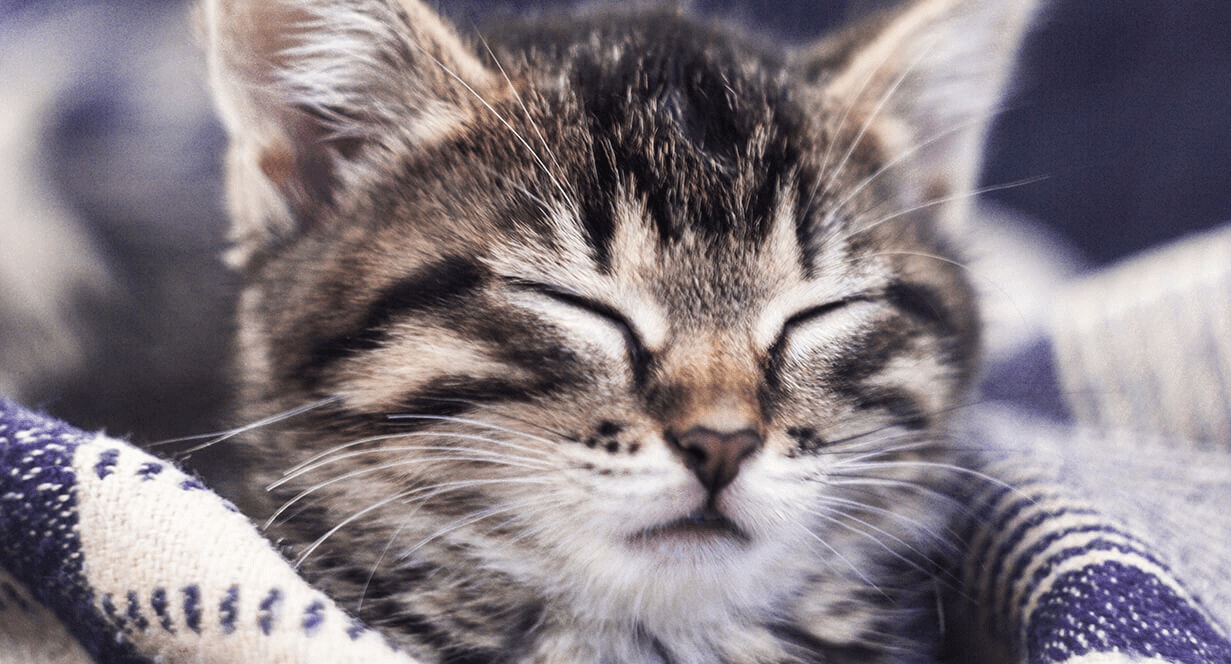
Kittens can get hairballs, although it’s not as common as in adult cats. Kittens are adept learners, and as they grow up, their grooming habits will mature as well. This could lead to hairballs, especially if your kitten has longer hair.
Most cats spend a considerable amount of time grooming their coats. As they groom, they can swallow hair, which may build up over time in their stomach. If the hairball doesn’t pass from the stomach, the cat will attempt to eliminate it by coughing or gagging.
Many cats will get a hairball at some point in life, but some kittens, such as long-haired breeds and cats that groom excessively, are especially prone to hairballs.
You can help reduce the number of hairballs your kitten or cat experiences in a few ways:
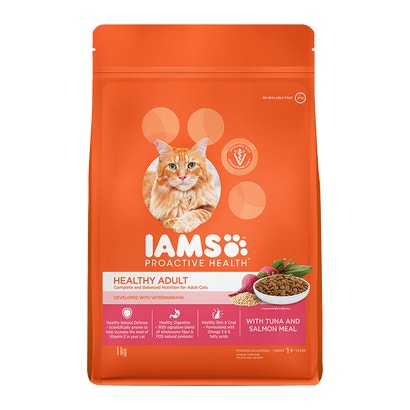
The right diet can help provide hairball relief to both kittens and cats. For instance, the beet pulp in IAMS™ dry kitten formulas helps move hair through the digestive tract.
Maintaining skin and coat health may reduce the risks of excessive shedding, ingestion of hair from grooming, and, consequently, hairball formation as your kitten grows into an adult cat. High-quality, animal-based protein and fat, found in the IAMS™ kitten formula, provide important nutrients for skin and coat health.
In cats and kittens that are prone to hairballs, frequent brushing can help reduce the amount of hair they ingest, thereby reducing the risk of hairball formation.