Enter a keyword below to search for articles and products.
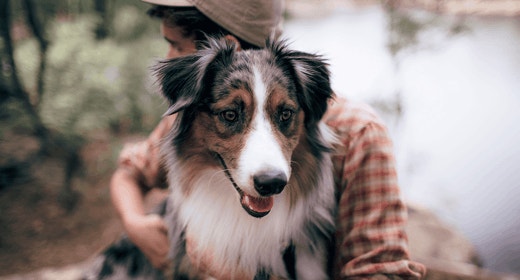
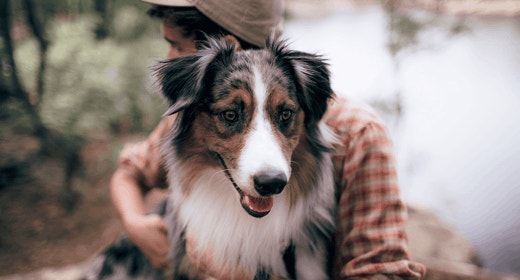
Most humans recognize a hug as a sign of affection and friendship. In an IAMS™ survey*, 83% of dog parents say their dog likes hugs too. But how do dogs feel about them? Bring it in! We’re going to try and get our arms around this question.
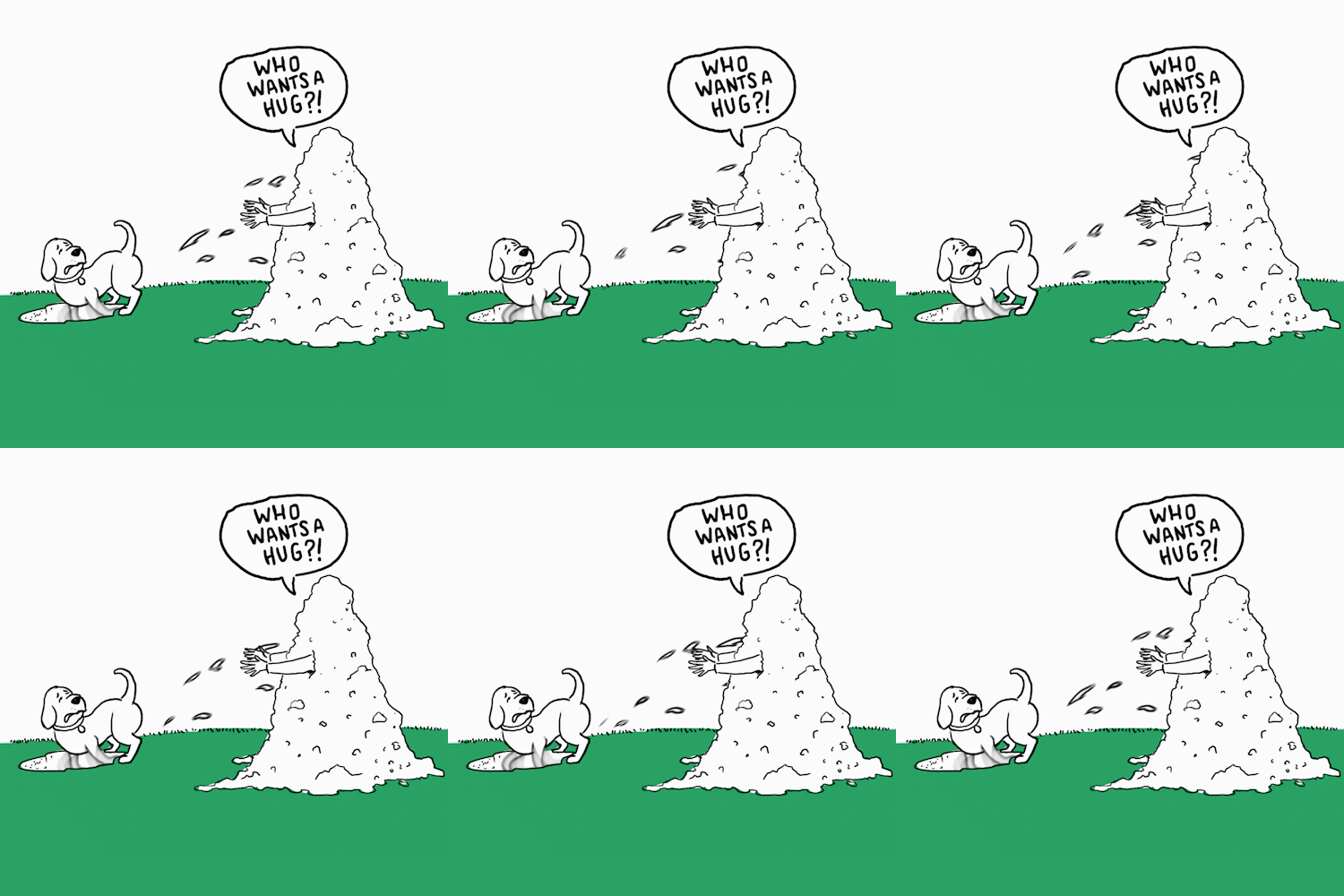
Sure, some dogs enjoy a good canine cuddle, but usually only with their owner or household members. Otherwise, they don’t really care for it. “Hugging is too much and overwhelming for many dogs and should be discouraged if the dog doesn’t know the individual very well,” advises
Opens a new windowJames Serpell, B.S., Ph.D., Professor of Humane Ethics & Animal Welfare at the University of Pennsylvania School of Veterinary Medicine.
There are a number of reasons for this:
Hugging is a human behavior, not a dog behavior. They’re just not physically built for that kind of interaction. We stand upright, so we face people. Dogs are on all fours, so it’s an unnatural act for them. They much prefer a friendly sniff to greet other dogs.
To dogs, a hug is seen as a very dominant form of behavior; it feels like a stranger is trying to assert control over them. It can be quite stressful, especially if done by someone they’re not familiar with.
Since ancient dog days, canines’ first instinctive line of defense has been to run away from danger. Hugging takes this primal option away and can make them feel trapped and confined. Remember when you were a kid getting hugged by that loud great aunt you’ve never met at your dad’s second cousin’s wedding? That’s kind of what your dog is feeling. Who is this? What are they doing? They want to escape too.
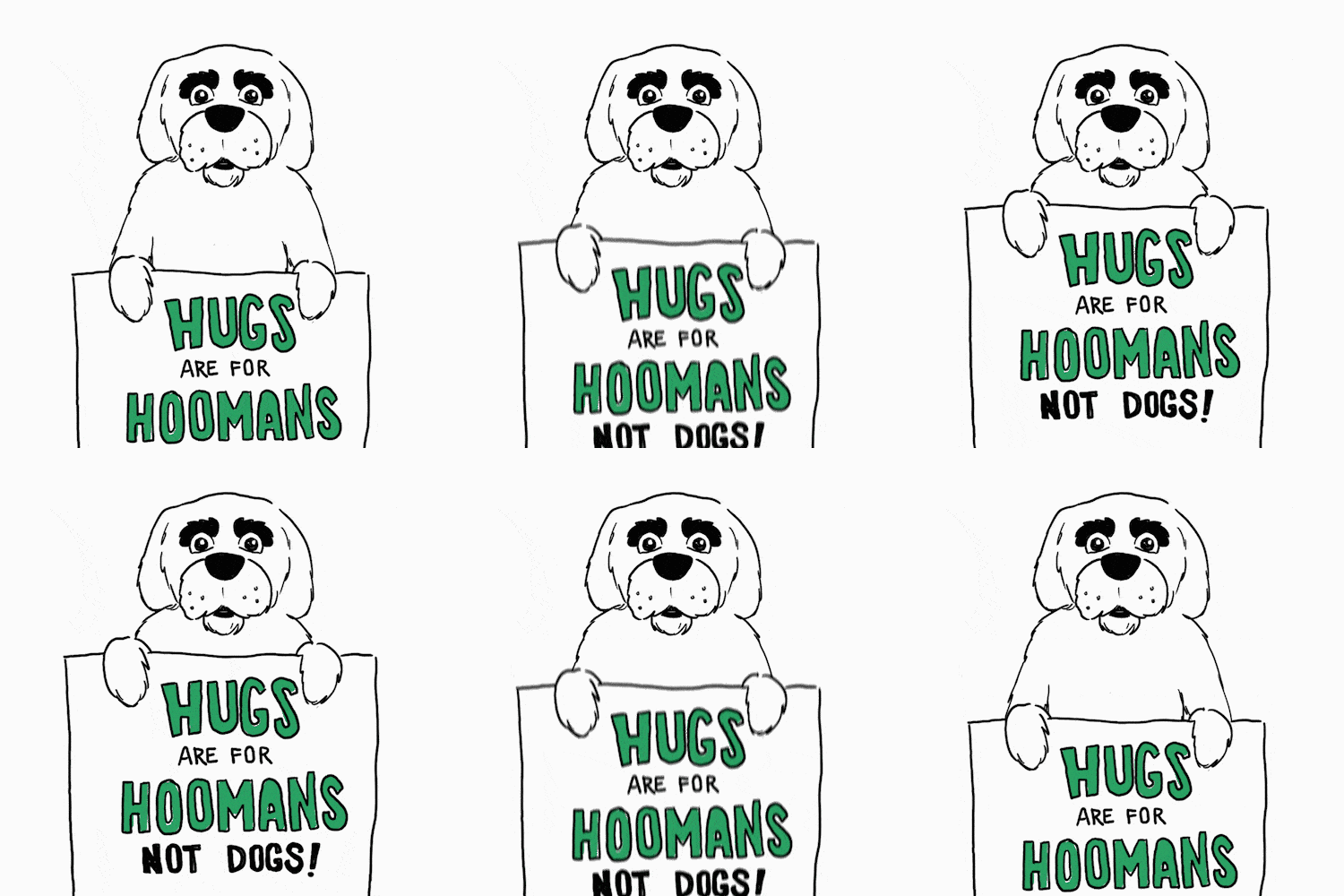
You can usually tell by their body language, says
Opens a new windowDr. Jo Gale, BVetMed CertLAS MRCVS, Senior Manager, Global Science Advocacy at Waltham Petcare Science Institute: “Watch for trembling, trying to get away, raised hackles or whites around their eyes. It’s very important to pay attention to this behavior and respect it.”
Don’t worry if your dog doesn’t want to hug it out. There are plenty of healthier ways you can show them you’re still their best friend:
*Surveyed U.S. dog owners, age 18+
Sample Size: n=201
Fielded May 8-10, 2020
As your dog matures, his body functions change. He might have decreased immune-system function, deterioration of skin and coat quality, and more frequent intestinal problems. So it makes sense that what a mature dog eats might also need to change.
Throughout a dog's life, a process called peroxidation occurs. This is a normal process the body uses to destroy cells that outlive their usefulness and to kill germs and parasites, but this process also can destroy or damage healthy cells. As a dog ages, the damage caused by peroxidation accumulates and, in turn, increases the risk of certain problems such as infections.
Antioxidants are naturally occurring components in the body (but also can be acquired through diet). They help maintain overall health by neutralizing the peroxidation process of cellular molecules.
Research sponsored by IAMS™ found that dogs fed a diet rich in antioxidants such as vitamin E had improved immune responses and vaccine recognition. This might be especially important for mature/senior dogs, because IAMS research has found that, as dogs age, immune responses can decrease.
Eating a complete and balanced diet with omega-3 fatty acids, such as those found in vitamin-rich fish oils, also helps rejuvenate dry skin and develop a healthy, lustrous coat.
Aging dogs might have higher numbers of unfavorable bacteria and lower numbers of beneficial bacteria in their intestines, which can result in clinical signs of gastrointestinal problems (such as diarrhea). A diet with a moderately fermentable fiber source such as beet pulp can help maintain intestinal health. Beet pulp provides energy for the cells lining the intestine and promotes proper stool formation.
Different dogs show signs of aging at different times, and much of this variation is associated with size. Larger dogs generally appear mature/senior sooner than smaller dogs. The table below can show you when your dog should start a mature diet with a food such as IAMS ProActive Health™ Mature Adult.
Dog Weight and Transition to Mature/Senior Foods
| Weight Range | Age to Begin Transition |
|---|---|
| More than 90 lbs | 5 years |
| 51 to 90 lbs | 6 years |
| 21 to 50 lbs | 7 years |
| Up to 20 lbs | 7 years |