Enter a keyword below to search for articles and products.
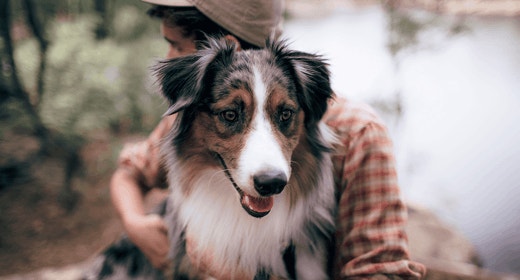
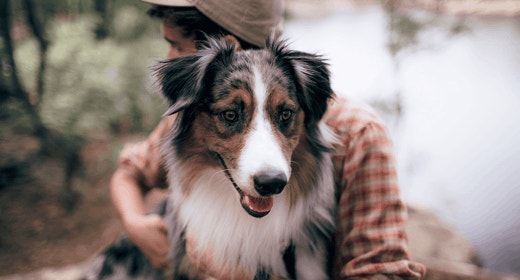
Most humans recognize a hug as a sign of affection and friendship. In an IAMS™ survey*, 83% of dog parents say their dog likes hugs too. But how do dogs feel about them? Bring it in! We’re going to try and get our arms around this question.
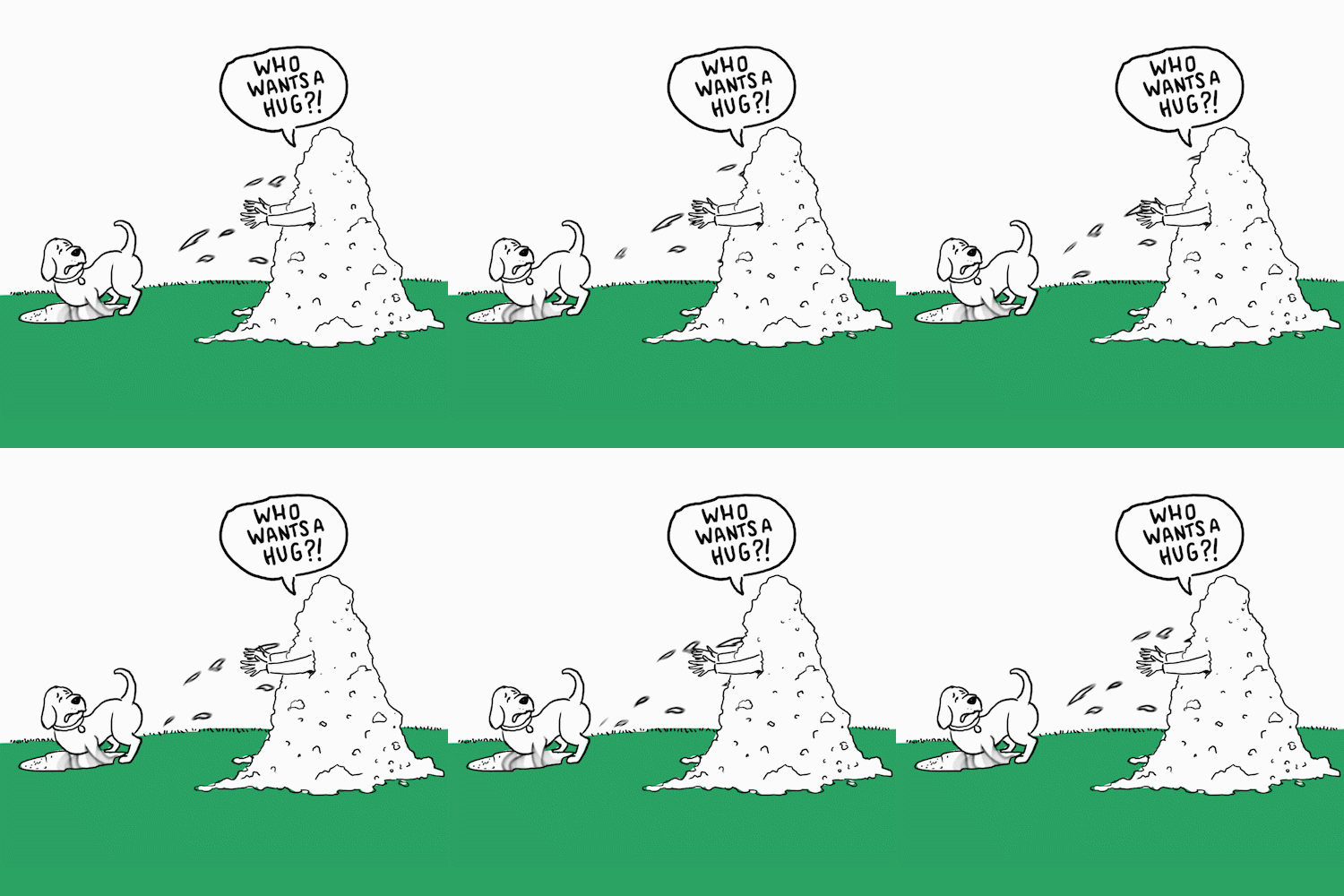
Sure, some dogs enjoy a good canine cuddle, but usually only with their owner or household members. Otherwise, they don’t really care for it. “Hugging is too much and overwhelming for many dogs and should be discouraged if the dog doesn’t know the individual very well,” advises
Opens a new windowJames Serpell, B.S., Ph.D., Professor of Humane Ethics & Animal Welfare at the University of Pennsylvania School of Veterinary Medicine.
There are a number of reasons for this:
Hugging is a human behavior, not a dog behavior. They’re just not physically built for that kind of interaction. We stand upright, so we face people. Dogs are on all fours, so it’s an unnatural act for them. They much prefer a friendly sniff to greet other dogs.
To dogs, a hug is seen as a very dominant form of behavior; it feels like a stranger is trying to assert control over them. It can be quite stressful, especially if done by someone they’re not familiar with.
Since ancient dog days, canines’ first instinctive line of defense has been to run away from danger. Hugging takes this primal option away and can make them feel trapped and confined. Remember when you were a kid getting hugged by that loud great aunt you’ve never met at your dad’s second cousin’s wedding? That’s kind of what your dog is feeling. Who is this? What are they doing? They want to escape too.
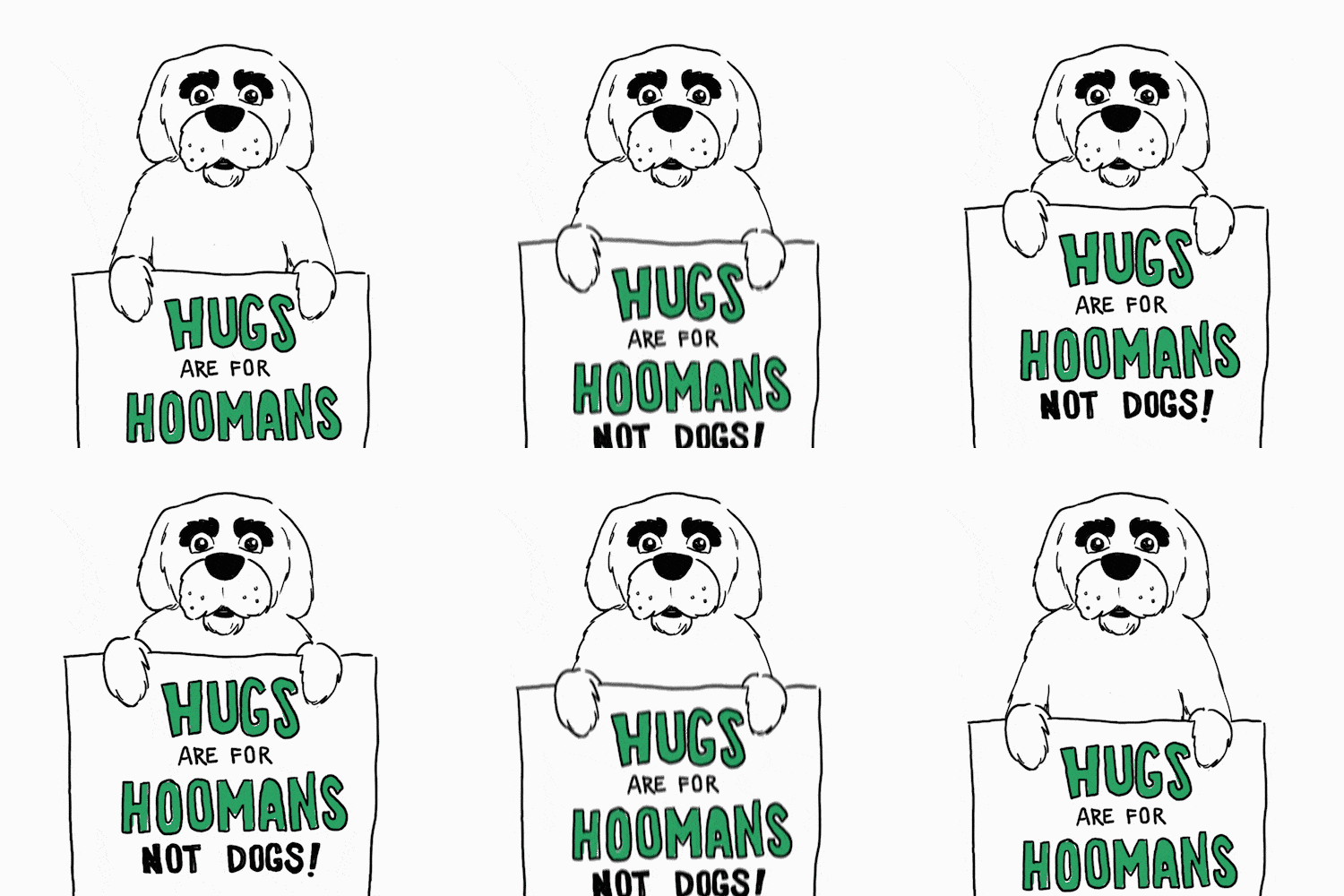
You can usually tell by their body language, says
Opens a new windowDr. Jo Gale, BVetMed CertLAS MRCVS, Senior Manager, Global Science Advocacy at Waltham Petcare Science Institute: “Watch for trembling, trying to get away, raised hackles or whites around their eyes. It’s very important to pay attention to this behavior and respect it.”
Don’t worry if your dog doesn’t want to hug it out. There are plenty of healthier ways you can show them you’re still their best friend:
*Surveyed U.S. dog owners, age 18+
Sample Size: n=201
Fielded May 8-10, 2020
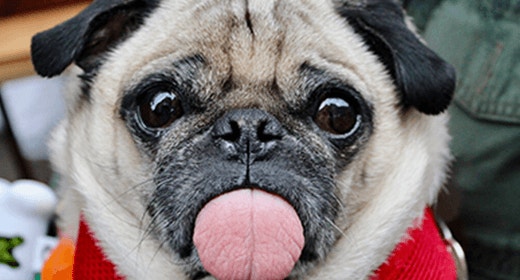
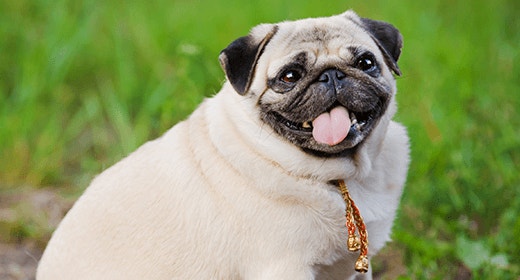
Worried that your small-breed dog is packing on the pounds? Run your hands along his backbone. You should be able to feel (but not see) his ribs. You also should see a clearly defined waist behind the ribs. If you can’t, follow these seven tips from Debra Eldredge, a veterinarian and co-author of “Dog Owner's Home Veterinary Handbook,” published by Howell Book House.
Before you put your overweight dog on a diet, schedule an appointment with the vet to make sure an underlying health problem isn’t causing the numbers on the scale to creep up.
Snacks and table scraps might account for your overweight dog’s bulging belly, Eldredge says. If curtailing in-between meals doesn’t make a difference, consider continuing with the same amount of food but switching to a different formula. Your vet can give you guidance.
Thawed frozen green beans, canned pumpkin (which is fiber-rich and filling) and cut-up carrots make satisfying, low-calorie snacks for your pet.
A study showed that dogs can count up to six or seven, Eldredge says. If he is accustomed to getting two small biscuits as a treat, break one biscuit into two pieces. By his count, he’s still getting two treats!
As much as your overweight dog loves treats, he also loves taking walks, playing and spending time with you. You also can replace biscuits with a couple of pieces of the kibble he would get during mealtime.
Is your bichon staring up at you with those beautiful eyes as you nibble on peanuts? He’s probably not hungry. As you have your snack, offer him a piece of kibble. If he turns it down, he’s not really hungry — he just wants your peanuts!
If your overweight dog has just a couple of pounds to lose, it can be hard to gauge whether he is making progress. Ask your clinic if it’s OK if you stop in once a week so he can step onto the doctor’s scale.