Enter a keyword below to search for articles and products.
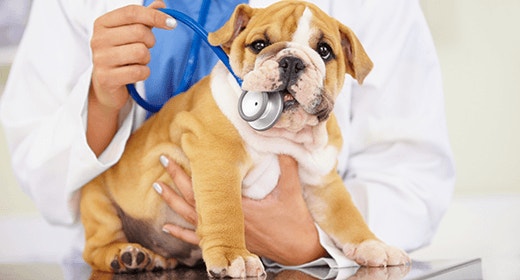
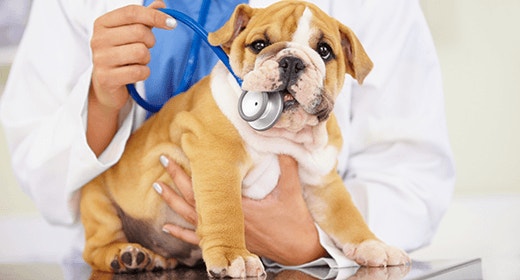
Congratulations! You're the proud owner of a puppy. It's important to take steps now to ensure great puppy health. Louise Murray, DVM, director of the ASPCA's Bergh Memorial Animal Hospital in New York City and author of Vet Confidential (Ballantine, 2008), offers these pointers for your puppy's first year.
Talk to friends to find a veterinarian you can trust. Within a week of bringing your puppy home, take him for a checkup. The doctor will perform a physical and start keeping a detailed medical history.
The overvaccination of pets is currently a hot topic, Murray says. The question is, however, not whether to vaccinate but which vaccines to use and how often. What she calls the 'core vaccines'—those for parvovirus, distemper, adenovirus type 2, and rabies—are essential. 'These shots protect your dog from diseases that are very real, very common, and very dangerous,' she says. Additional vaccines may be necessary based on where you live, where you take your dog, and whether you travel.
Choose a reputable brand of dog food and discuss your choice with your veterinarian. In his first year, your puppy will be on food that is specifically geared toward younger dogs and will likely eat three times a day rather than once or twice.
An excellent measure against pet overpopulation, this procedure ideally should be performed between ages 4 and 5 months, which is before a female dog goes into her first heat and before a male enters puberty. A female dog who is spayed before going into heat is 2,000 times less likely to get breast cancer, Murray says. Males who are neutered before entering puberty have fewer behavioral issues, such as aggression toward other dogs and urine marking.
Puppy Health: Flea, Tick, and Heartworm Medicines
Most dogs should be on medicine year-round to prevent heartworm, a life-threatening parasitic infestation, Murray says. Fleas, often seen as just an annoyance, can actually cause severe skin problems and even anemia. Ticks carry multiple diseases (including Lyme disease and Rocky Mountain Spotted Fever). Your veterinarian can prescribe effective preventives for these two problems.


Is your dog really a finicky eater, or could it be something else? There are many factors to consider when you notice that your dog doesn't seem to be eating as usual.
If you're suspicious, take a closer look at exactly what he's eating each day. Does he get the occasional dog treat, or is someone sneaking him extra table scraps?
When you feed your dog a balanced, highly nutritious diet, nothing else is needed. In fact, extra treats can drastically alter your dog's normal intake of dog food. It's similar to the feeling you get after eating too much candy or potato chips. Are you interested in a full meal? Neither is your dog.
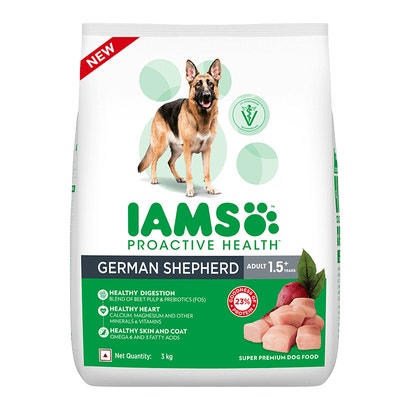
IAMS™ dog foods are nutritionally balanced and specifically formulated to meet the needs of dogs in all life stages, and with different lifestyles. There are dry, canned, and pouch varieties, plus options for senior or overweight pets, puppies, and dogs with reduced activity levels. Talk to your veterinarian or an IAMS Pet Care and Nutrition Center professional for advice on what's best for your dog.
Recommended feeding amounts are shown on every package. The guidelines are general suggestions for the amount of food you should feed your dog. Every dog is different and does not need the same amount of food. Your dog's activity level and his metabolic makeup are the determining factors. Start with the amount given in the feeding guidelines. Then, add or subtract food as you observe your dog's eating habits and weight.
Portion-Controlled Feeding: Divide the daily amount and feed at specific intervals. It is important to take away all leftover food after 15 to 20 minutes. This sets a pattern for your dog to follow. The portion-controlled feeding method is recommended for giant and large breeds as well as for overweight dogs. Portion control also works well for dogs with special needs.
Free-Choice Feeding: Feed the daily amount and let your dog eat at leisure. This method is recommended for use only with dry foods. Remember, dogs eat to meet their energy requirements. They quickly define their own daily portions when eating free-choice.
Water: Regardless of which food you choose to feed, your dog must have plenty of fresh, clean water. A good dog feeding tip is to place the water 3 to 5 feet from the food. This will help prevent your dog from gulping water and air in addition to food.
Routine: Dogs need it. Feeding at the same time and place every day establishes a comfortable eating pattern.
The Veterinarian: Regular visits help keep your dog happy and healthy!