Enter a keyword below to search for articles and products.
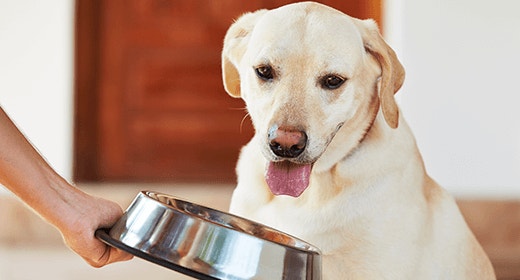
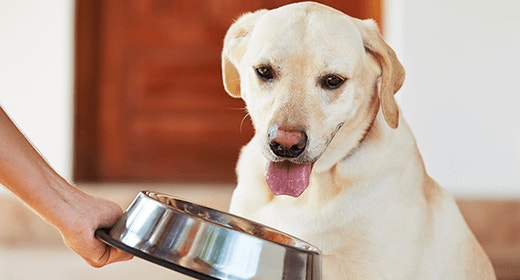
So as a pet parent, how do you make sure your Lab is eating well-rounded meals? One way to do that is to find dog food that is tailored to suit the Labrador diet. The best dog food for Labrador Retrievers will always contain the following elements…
Labrador food should always include lean and quality proteins from sources like poultry to help strengthen and maintain their muscles.
Ingredients like beet pulp, corn, wheat, barley and maize are not only packed with nutrients but they also aid digestion. Labrador food that contains digestible ingredients helps when it comes to supporting a healthy gut.
Moderate and controlled amounts of fat in addition to Omega 6 and 3 fatty acids are necessary to support a healthy coat as well as healthy skin. These ingredients are important for Labradors to ensure they do not suffer from issues like flaky and itchy skin.
Labrador Retrievers are susceptible to obesity. Therefore, an important supplement to look for in Labrador food is L-Carnitine. L-Carnitine is known to help with metabolism and also supports healthy weight management.
Labradors are fun, playful and active dogs. To facilitate these characteristics, the labrador diet must consist of supplements like Glucosamine and Chondroitin Sulphate that support healthy joints.
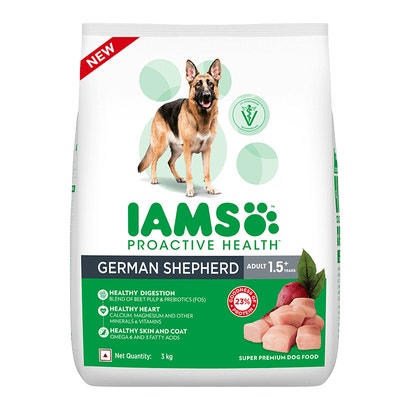
If you’re looking for dog food that is specific to the Labrador diet, IAMS™ Labrador Retriever dog food will not let you down. It is a premium-tailored recipe that contains all the ingredients that support the unique nutritional requirements of a Labrador Retriever. By switching to this dog food, you are ensuring your Lab is at its healthiest and best, always!
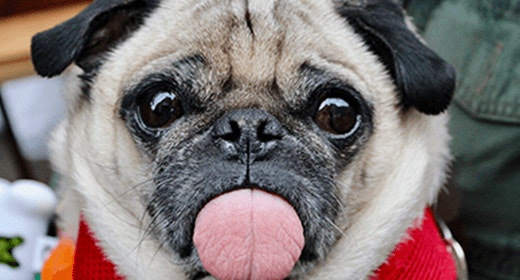
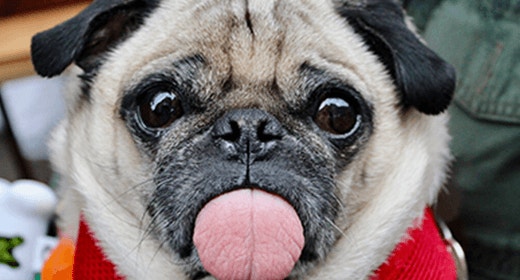
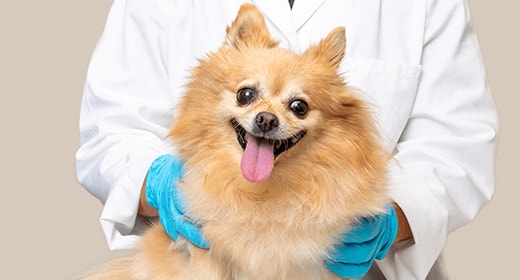
Worried that your small-breed dog is packing on the pounds? Run your hands along his backbone. You should be able to feel (but not see) his ribs. You also should see a clearly defined waist behind the ribs. If you can’t, follow these seven tips from Debra Eldredge, a veterinarian and co-author of “Dog Owner's Home Veterinary Handbook,” published by Howell Book House.
Before you put your overweight dog on a diet, schedule an appointment with the vet to make sure an underlying health problem isn’t causing the numbers on the scale to creep up.
Snacks and table scraps might account for your overweight dog’s bulging belly, Eldredge says. If curtailing in-between meals doesn’t make a difference, consider continuing with the same amount of food but switching to a different formula. Your vet can give you guidance.
Thawed frozen green beans, canned pumpkin (which is fiber-rich and filling) and cut-up carrots make satisfying, low-calorie snacks for your pet.
A study showed that dogs can count up to six or seven, Eldredge says. If he is accustomed to getting two small biscuits as a treat, break one biscuit into two pieces. By his count, he’s still getting two treats!
As much as your overweight dog loves treats, he also loves taking walks, playing and spending time with you. You also can replace biscuits with a couple of pieces of the kibble he would get during mealtime.
Is your bichon staring up at you with those beautiful eyes as you nibble on peanuts? He’s probably not hungry. As you have your snack, offer him a piece of kibble. If he turns it down, he’s not really hungry — he just wants your peanuts!
If your overweight dog has just a couple of pounds to lose, it can be hard to gauge whether he is making progress. Ask your clinic if it’s OK if you stop in once a week so he can step onto the doctor’s scale.