Enter a keyword below to search for articles and products.


Your puppy is changing in so many ways. In fact, the most rapid growth will take place in these first months of his life. His immune system is developing. Bones are growing. Muscles are getting stronger. All of this requires a nutrient-dense diet, formulated to support a medium-breed puppy's rate of development. To make sure your puppy is getting optimal nutrition to protect and maintain health and well-being, here are some key points to keep in mind.
From the time your puppy is weaned until 4 months of age, you should feed your puppy two to three meals a day, with the daily amount based on the guidelines of the food label. After 4 months of age, he should be fed twice a day on a regular schedule. Always have fresh water available.
Research shows that puppies need up to twice as much energy as adult dogs. Dramatic growth at this stage means your puppy requires an energy-rich, nutrient-dense complete and balanced diet. Puppies also require more protein than adult dogs. High-quality animal-based protein will help your puppy create new body tissue.
Not all puppies have the same nutritional needs. Medium-breed puppies actually have slightly higher metabolism rates per pound than large-breed puppies. And your puppy will reach his mature adult weight at about 12 months, sooner than larger breeds that reach adulthood as late as 24 months. Your puppy needs protein, fat, calcium, and phosphorus to support growth and development of bones, muscles, and other tissues. So giving him a food that supports his medium size is the easiest way to help make sure he's getting the right balance of nutrients for his metabolism and growth rate.
Remember, puppies have small stomachs. Make sure his food is nutrient-dense so he'll get a complete and balanced diet even though his stomach can only handle what seems like a small volume of food.
Aside from energy and protein, there are other important nutrients and ingredients vital to your puppy's diet:
These are important building blocks of nutrition. Look for them when you choose dry or canned dog food and when you select treats.
A medium-breed puppy reaches adult weight by about 12 months. You can begin feeding an adult dog food at this time, such as IAMS™ ProActive Health™ Adult MiniChunks. Your dog might not welcome the change at first, but don't worry. You can help ease the transition by gradually introducing the adult food. Try mixing 25% of the new food with 75% of his puppy food, then gradually change the proportions over the next three days until he's eating 100% adult food.
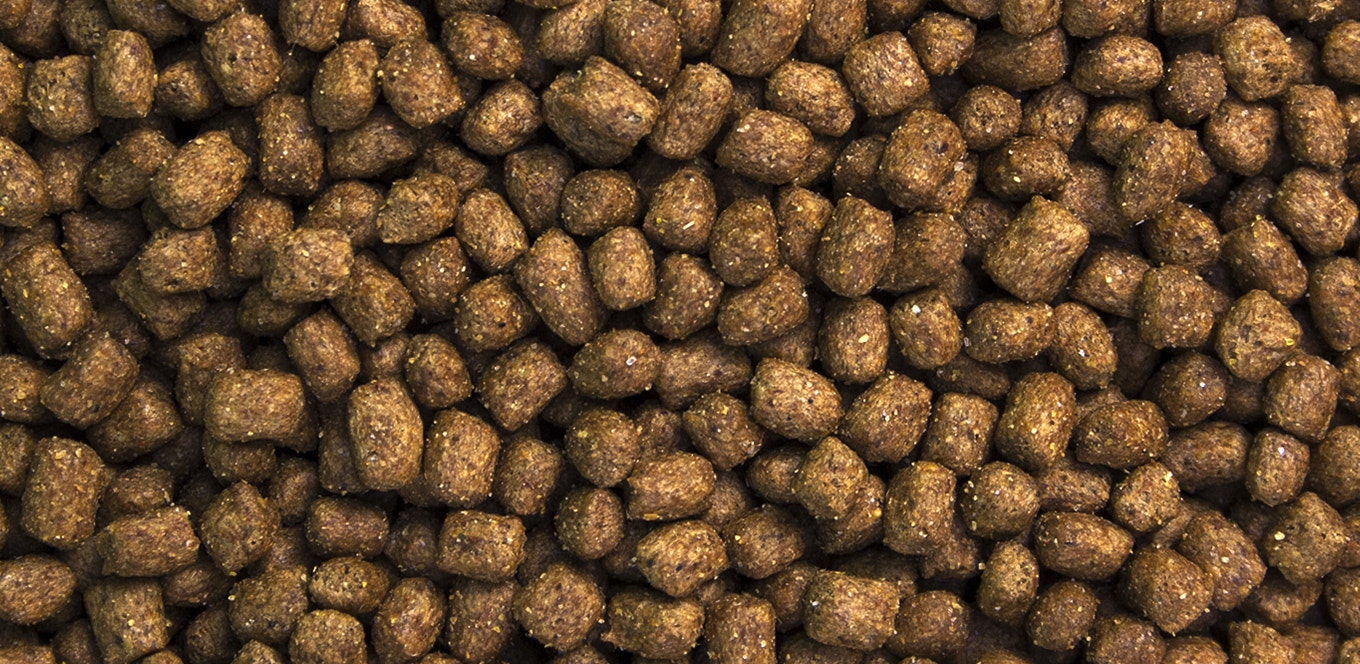


Is your dog really a finicky eater, or could it be something else? There are many factors to consider when you notice that your dog doesn't seem to be eating as usual.
If you're suspicious, take a closer look at exactly what he's eating each day. Does he get the occasional dog treat, or is someone sneaking him extra table scraps?
When you feed your dog a balanced, highly nutritious diet, nothing else is needed. In fact, extra treats can drastically alter your dog's normal intake of dog food. It's similar to the feeling you get after eating too much candy or potato chips. Are you interested in a full meal? Neither is your dog.
IAMS™ dog foods are nutritionally balanced and specifically formulated to meet the needs of dogs in all life stages, and with different lifestyles. There are dry, canned, and pouch varieties, plus options for senior or overweight pets, puppies, and dogs with reduced activity levels. Talk to your veterinarian or an IAMS Pet Care and Nutrition Center professional for advice on what's best for your dog.
Recommended feeding amounts are shown on every package. The guidelines are general suggestions for the amount of food you should feed your dog. Every dog is different and does not need the same amount of food. Your dog's activity level and his metabolic makeup are the determining factors. Start with the amount given in the feeding guidelines. Then, add or subtract food as you observe your dog's eating habits and weight.
Portion-Controlled Feeding: Divide the daily amount and feed at specific intervals. It is important to take away all leftover food after 15 to 20 minutes. This sets a pattern for your dog to follow. The portion-controlled feeding method is recommended for giant and large breeds as well as for overweight dogs. Portion control also works well for dogs with special needs.
Free-Choice Feeding: Feed the daily amount and let your dog eat at leisure. This method is recommended for use only with dry foods. Remember, dogs eat to meet their energy requirements. They quickly define their own daily portions when eating free-choice.
Water: Regardless of which food you choose to feed, your dog must have plenty of fresh, clean water. A good dog feeding tip is to place the water 3 to 5 feet from the food. This will help prevent your dog from gulping water and air in addition to food.
Routine: Dogs need it. Feeding at the same time and place every day establishes a comfortable eating pattern.
The Veterinarian: Regular visits help keep your dog happy and healthy!