Enter a keyword below to search for articles and products.
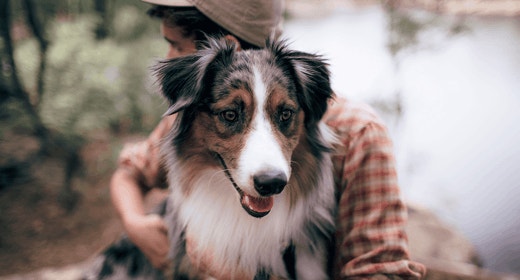
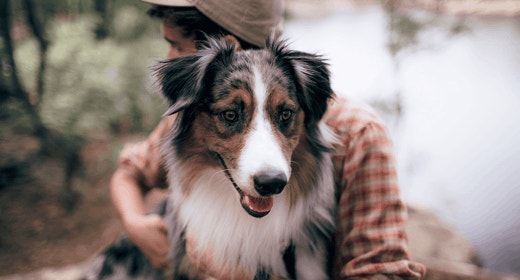
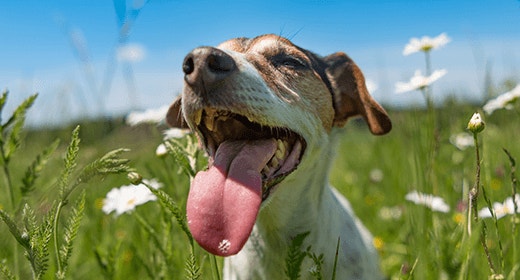
Most humans recognize a hug as a sign of affection and friendship. In an IAMS™ survey*, 83% of dog parents say their dog likes hugs too. But how do dogs feel about them? Bring it in! We’re going to try and get our arms around this question.
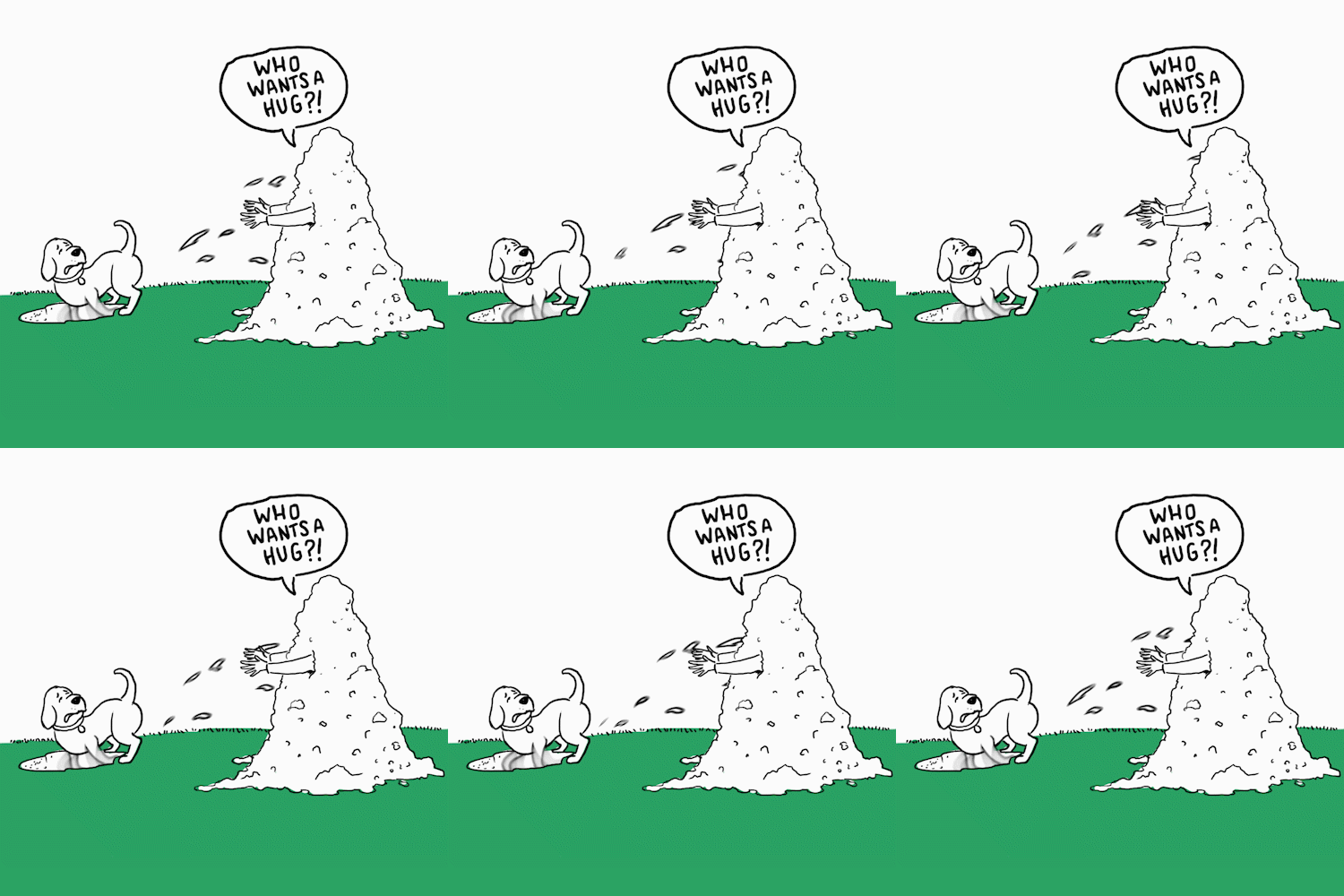
Sure, some dogs enjoy a good canine cuddle, but usually only with their owner or household members. Otherwise, they don’t really care for it. “Hugging is too much and overwhelming for many dogs and should be discouraged if the dog doesn’t know the individual very well,” advises
Opens a new windowJames Serpell, B.S., Ph.D., Professor of Humane Ethics & Animal Welfare at the University of Pennsylvania School of Veterinary Medicine.
There are a number of reasons for this:
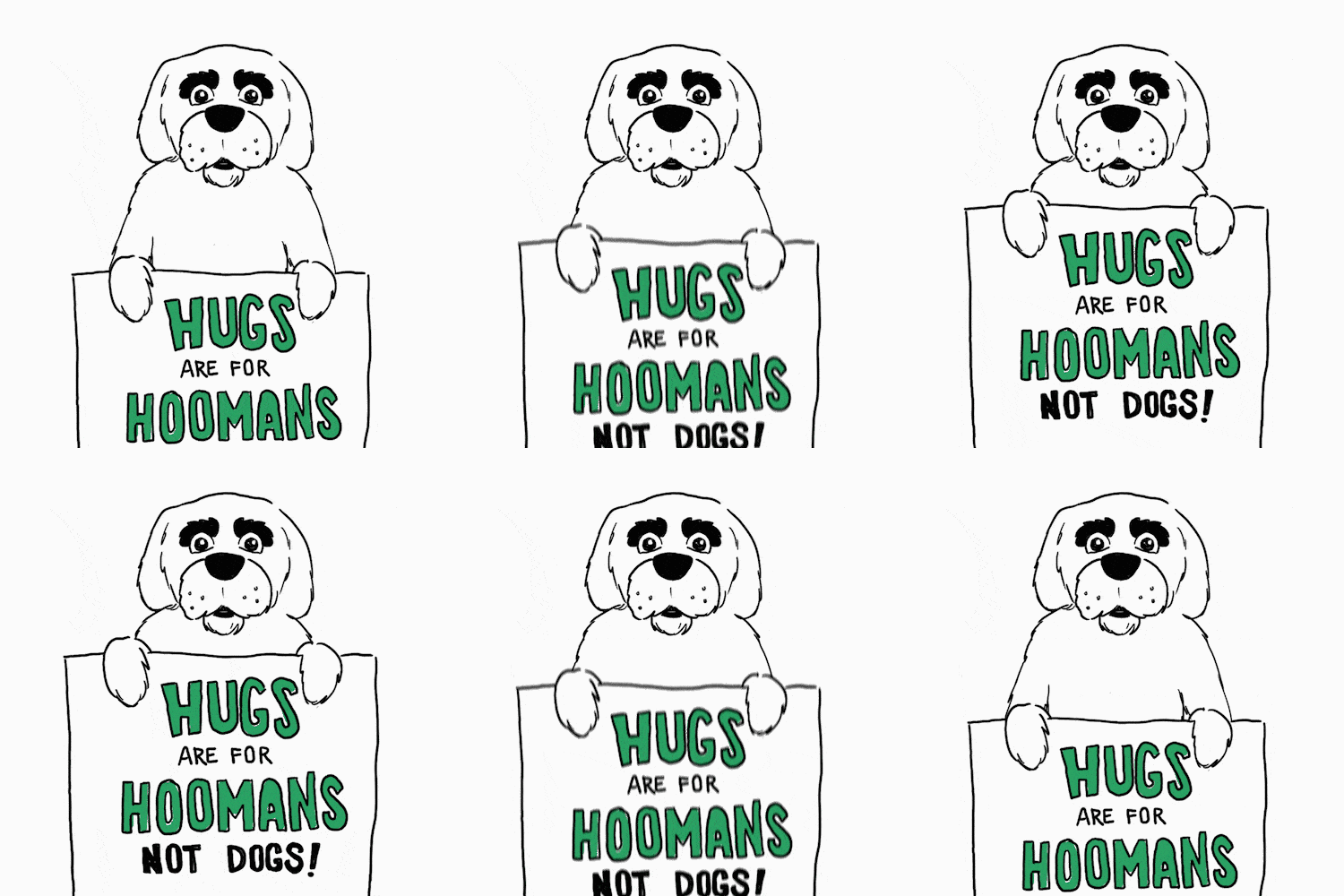
Hugging is a human behavior, not a dog behavior. They’re just not physically built for that kind of interaction. We stand upright, so we face people. Dogs are on all fours, so it’s an unnatural act for them. They much prefer a friendly sniff to greet other dogs.
To dogs, a hug is seen as a very dominant form of behavior; it feels like a stranger is trying to assert control over them. It can be quite stressful, especially if done by someone they’re not familiar with.
Since ancient dog days, canines’ first instinctive line of defense has been to run away from danger. Hugging takes this primal option away and can make them feel trapped and confined. Remember when you were a kid getting hugged by that loud great aunt you’ve never met at your dad’s second cousin’s wedding? That’s kind of what your dog is feeling. Who is this? What are they doing? They want to escape too.
You can usually tell by their body language, says
Opens a new windowDr. Jo Gale, BVetMed CertLAS MRCVS, Senior Manager, Global Science Advocacy at Waltham Petcare Science Institute: “Watch for trembling, trying to get away, raised hackles or whites around their eyes. It’s very important to pay attention to this behavior and respect it.”
Don’t worry if your dog doesn’t want to hug it out. There are plenty of healthier ways you can show them you’re still their best friend:
*Surveyed U.S. dog owners, age 18+
Sample Size: n=201
Fielded May 8-10, 2020

Fiber is important to your dog's health, providing bulk to move food through his intestinal tract. Some types of fiber can be fermented (broken down by bacteria) in the intestinal tract. This process creates short-chain fatty acids (SCFA), which are a key energy source for the cells lining the intestinal tract.
Most people are aware of fiber and its role in their diet. The beneficial effects of higher fiber levels in humans influence the way many people think about their own food—and their pets’ food. As a result, some pet-food manufacturers began to think like human nutritionists and make high-fiber diets for dogs. But high-fiber diets and the shorter digestive tracts of dogs don't always mix well. High fiber levels in dogs can cause digestive problems and interfere with proper nutrient absorption. Unlike humans, dogs are carnivorous, meaning their nutritional needs are better satisfied with meat rather than with plant materials.
For more than 60 years, pet nutritionists at IAMS™ have been studying diets to better meet the special nutritional needs of dogs. IAMS research shows that the optimal crude-fiber level for healthy dogs ranges from 1.4 to 3.5%. At these levels, nutrient digestibility is maximized.
An important characteristic of fiber is its fermentability, or how well it can be broken down by the bacteria that normally reside in the dog's intestine. This breakdown of dietary fiber produces SCFAs that provide energy to the cells lining the intestines. Different types of fiber vary in fermentability.
Fiber sources used in pet foods include cellulose, which is poorly fermentable; beet pulp, which is moderately fermentable; and gums and pectin, which can be highly fermentable.
Research has shown that moderate levels of moderately fermentable fiber, such as beet pulp, provide the benefits of energy for the intestinal lining and bulk without the negative effects of excessive stool or gas.
High levels of poorly fermentable fiber are used in some weight-reduction pet foods to dilute the calories in a serving. IAMS research found that this is not a good practice because high fiber levels can decrease the digestibility of other nutrients in the food and, therefore, can reduce the nutritional quality of the diet. You might also see more poop piles in the yard because of the indigestible fiber.
The key thing to remember about dietary fiber is that your dog's needs are not the same as yours. A moderate level of moderately fermentable fiber, such as beet pulp, provides proven nutritional benefits for dogs. Diets containing high levels of poorly fermentable fiber to dilute calorie content do not provide these nutritional benefits.
All IAMS products, including IAMS™ ProActive Health™ Adult MiniChunks, are formulated with optimal levels of moderately fermentable fiber to promote a healthy intestinal tract and enhance the well-being of your dog.